Heating, ventilation, and air conditioning (HVAC) systems play a vital role in maintaining comfortable indoor temperatures and air quality in both residential and commercial buildings These systems consist of various components that work together to regulate temperature, humidity, and air circulation One such component that is often overlooked but crucial for proper installation and maintenance of HVAC systems is HVAC rope.
HVAC rope, also known as pull cord or mule tape, is a strong, durable rope made from materials such as nylon, polyester, or polypropylene It is used in a variety of applications within the HVAC industry, including pulling wires through conduits, lifting and securing equipment, and providing support for ductwork during installation HVAC rope comes in various thicknesses and strengths, making it suitable for a wide range of tasks.
One of the primary uses of HVAC rope is for pulling wires through conduits When installing new HVAC systems or making upgrades to existing systems, technicians often need to run wires through tight spaces and conduits within buildings HVAC rope provides a sturdy and flexible solution for pulling wires through these confined spaces, reducing the risk of damage to the wires and ensuring a smooth installation process.
In addition to wire pulling, HVAC rope is also used for lifting and securing heavy equipment such as air handling units, compressors, and ductwork These components can be large and cumbersome, requiring a reliable method for moving and positioning them during installation or maintenance HVAC rope offers a secure and dependable means of lifting and securing equipment, reducing the risk of accidents and injuries on the job site.
Furthermore, HVAC rope is essential for providing support and stability to ductwork during installation Ductwork plays a critical role in HVAC systems by distributing conditioned air throughout a building Proper support and positioning of ductwork are crucial for ensuring efficient airflow and preventing damage to the system HVAC rope can be used to secure ductwork in place, ensuring that it remains stable and properly aligned for optimal performance.
Another important application of HVAC rope is in the installation of insulation materials on HVAC systems hvac rope. Insulation helps to regulate the temperature of the air passing through ductwork and equipment, increasing energy efficiency and reducing heat loss HVAC rope can be used to secure insulation materials in place, preventing them from shifting or coming loose over time This helps to maintain the effectiveness of the insulation and prolong the lifespan of the HVAC system.
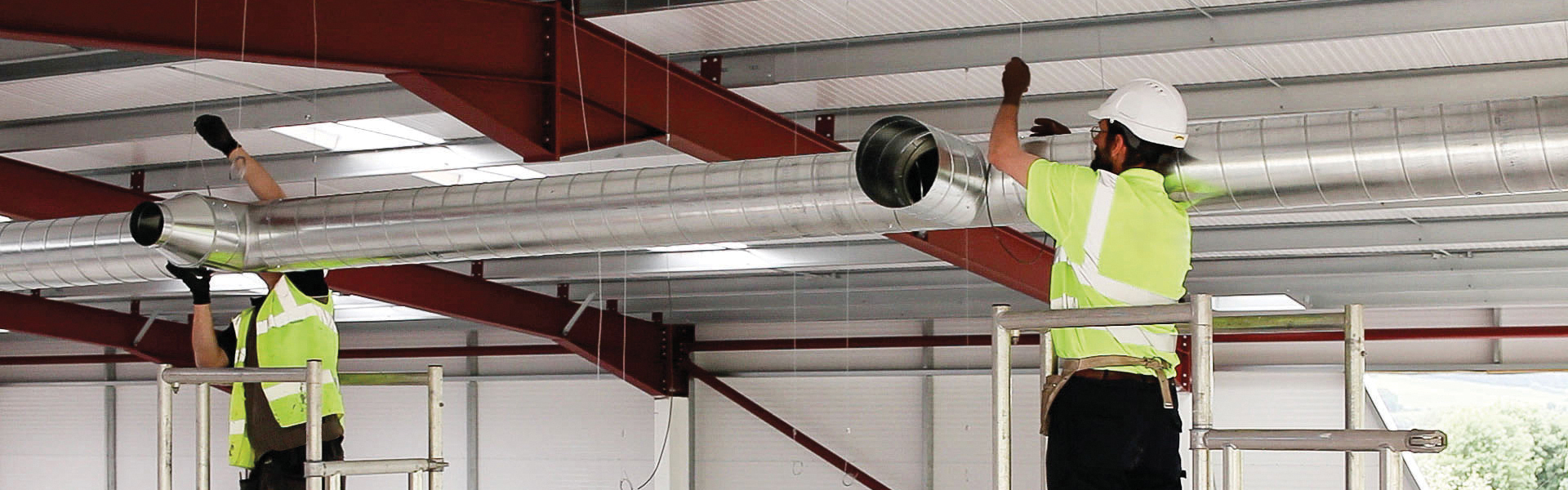
In addition to its practical applications, HVAC rope also offers benefits in terms of safety and efficiency on the job site By providing a reliable means of lifting, securing, and supporting equipment, HVAC rope helps to minimize the risk of accidents and injuries during installation and maintenance tasks Its strength and durability ensure that it can withstand the rigors of the job site, allowing technicians to work efficiently and confidently without worrying about equipment failure.
Overall, HVAC rope is an essential tool in the heating and cooling industry, providing support, stability, and efficiency in a wide range of applications From pulling wires through conduits to securing equipment and insulation materials, HVAC rope plays a crucial role in the installation and maintenance of HVAC systems Its strength, durability, and versatility make it a valuable asset for technicians working in this dynamic and demanding field.
In conclusion, HVAC rope may not be the most glamorous component of HVAC systems, but it is certainly one of the most important Its versatility and reliability make it an indispensable tool for technicians in the heating and cooling industry Whether pulling wires, lifting equipment, supporting ductwork, or securing insulation, HVAC rope plays a vital role in ensuring the safety, efficiency, and performance of HVAC systems Next time you see a technician with a roll of HVAC rope, you can appreciate the essential role that it plays in keeping our buildings comfortable and our air quality safe and clean.