Seismic events are a common occurrence around the world, and they can have devastating consequences. Buildings, bridges, and other structures need to be designed to withstand these natural disasters, and one essential component in this process is seismic wire rope. This specialized type of wire rope plays a crucial role in keeping structures stable and secure during seismic events.
seismic wire rope is designed to provide high tensile strength along with flexibility, making it ideal for seismic applications. It is commonly used in seismic bracing systems, which are installed in buildings to help them withstand the lateral forces generated by earthquakes. These systems work by transferring the seismic forces to the building’s foundation, thus reducing the risk of structural damage.
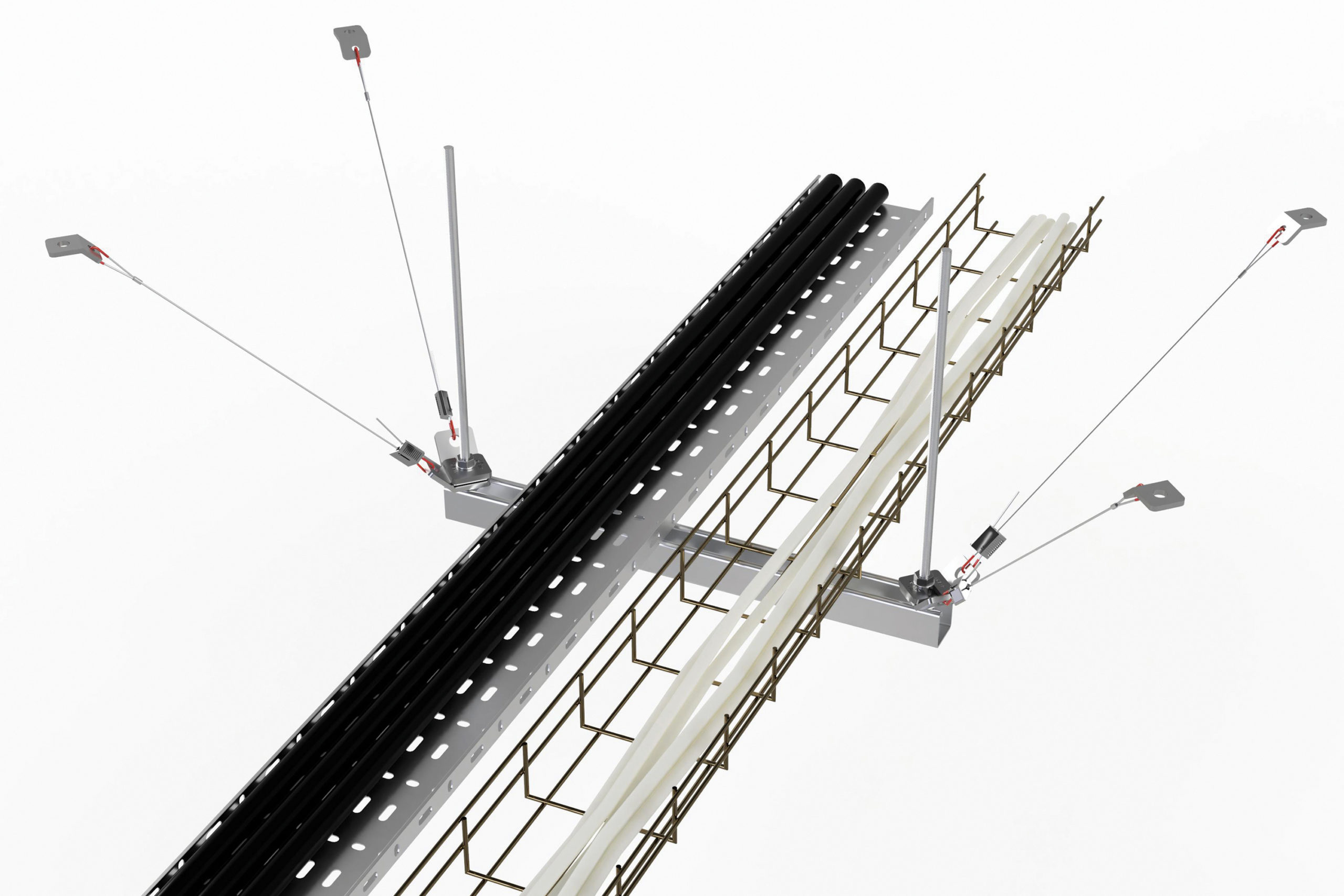
One of the key advantages of seismic wire rope is its ability to absorb and dissipate energy. During an earthquake, buildings undergo a series of horizontal movements that can cause significant stress on the structure. seismic wire rope helps to absorb this energy by stretching and flexing, thereby reducing the impact on the building. This can help prevent structural failure and minimize the risk of collapse.
In addition to its energy-absorbing properties, seismic wire rope is also highly durable and resistant to corrosion. This is crucial in seismic applications, as the wire rope needs to withstand the intense forces and environmental conditions that can occur during an earthquake. By using high-quality materials and advanced manufacturing techniques, seismic wire rope can provide reliable performance even in the most demanding situations.
Another important aspect of seismic wire rope is its versatility. It can be customized to meet the specific needs of different projects, with options available for various diameters, constructions, and coatings. This flexibility makes seismic wire rope suitable for a wide range of applications, from small-scale seismic bracing systems to large-scale structural reinforcement projects.
The installation of seismic wire rope requires careful planning and expertise to ensure that it performs effectively during an earthquake. Proper design and engineering are essential to determine the correct type and configuration of wire rope for a particular project. This includes considerations such as the building’s size, location, and expected seismic forces, as well as factors like anchoring and load distribution.
Once the seismic wire rope is installed, regular inspections and maintenance are necessary to ensure its continued effectiveness. Over time, the wire rope can undergo wear and tear from external factors like weather and mechanical stress. Inspections can help identify any potential issues early on and prevent them from escalating into larger problems that could compromise the building’s safety.
Overall, seismic wire rope plays a critical role in enhancing the resilience of structures against seismic events. By absorbing energy, providing flexibility, and resisting corrosion, it helps to protect buildings and their occupants from the devastating effects of earthquakes. With proper design, installation, and maintenance, seismic wire rope can provide long-lasting performance and peace of mind for those living and working in earthquake-prone areas.
In conclusion, seismic wire rope is a vital component in the field of seismic engineering, offering unique properties that help buildings withstand the forces of earthquakes. Its ability to absorb energy, provide flexibility, and resist corrosion makes it an essential tool for enhancing the safety and stability of structures in seismic zones. By investing in high-quality seismic wire rope and following best practices for installation and maintenance, engineers and builders can create structures that are better equipped to handle the challenges of seismic events.